

Steroid Blog
Anavar vs Primobolan in Female Physiology: A Scientific Safety Comparison 🔬♀️
Dec
Anabolic–androgenic steroids have been evaluated in a limited number of clinical and experimental settings involving women. Among these substances, Anavar and Primobolan are often highlighted due to their comparatively reduced androgenic characteristics. This article examines available scientific findings, reported exposure levels, physiological responses, and safety-related considerations in an objective, non-prescriptive framework.
1. Female Endocrine Sensitivity to Androgens 🧠
The female hormonal system differs significantly from that of males and is marked by:
- Naturally low baseline androgen concentrations
- Heightened responsiveness of androgen receptors
- Increased susceptibility to virilizing effects even at minimal exposure
“Women possess a very narrow margin between therapeutic and adverse androgen exposure.”
— Journal of Clinical Endocrinology
2. Anavar: Scientific Overview
Anavar was initially introduced in clinical medicine for managing muscle-wasting conditions and severe catabolic states. Structurally, it is classified as a 17α-alkylated derivative of dihydrotestosterone.
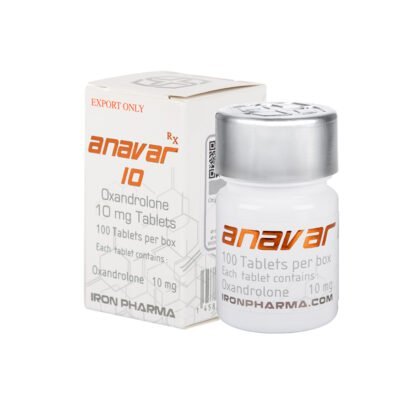
figure 1. Ironpharma Anavar 10 from steroidhouse.com
Pharmacological Properties
- Elevated anabolic-to-androgenic ratio
- Absence of estrogen conversion
- Oral bioavailability
- Hepatic metabolism involvement
Oxandrolone displays preferential anabolic activity with comparatively reduced androgenic signaling.
— American Journal of Medicine
3. Primobolan: Scientific Overview
Primobolan is a non-alkylated DHT-based compound that has been explored in both oral and injectable research settings.
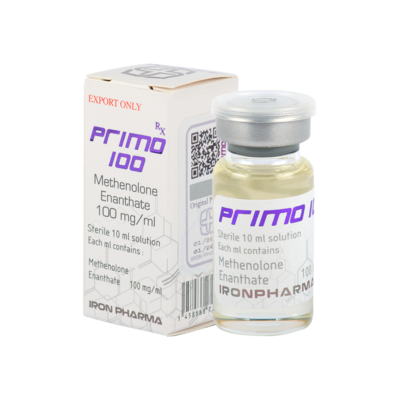
figure 2. Ironpharma Primo100 form steroidhouse.com
Pharmacological Properties
- Exceptionally low androgen receptor stimulation
- No aromatization into estrogen
- Limited hepatic strain
- Consistent pharmacokinetic behavior
Methenolone is associated with one of the lowest reported virilization tendencies among anabolic agents studied.
— Endocrine Pharmacology Review
4. Dosage Ranges Cited in Scientific Literature 📊
| Compound | Reported Exposure Levels | Study Context |
|---|---|---|
| Anavar | Low single-digit daily mg | Clinical rehabilitation research |
| Primobolan | Low-dose administration | Experimental pharmacological studies |
5. Safety-Oriented Comparison
| Criterion | Anavar | Primobolan |
|---|---|---|
| Androgenic Expression | Low | Very Low |
| Estrogenic Activity | None | None |
| Liver Impact | Present | Minimal |
| Virilization Potential | Moderate | Lower |
| Hormonal Suppression | Documented | Less documented |
6. Combination Discussions in Literature
Within scientific publications, both compounds are predominantly evaluated independently. Data involving combined exposure in women remains scarce, largely due to ethical and methodological constraints.
“Reliable controlled data on combined androgen administration in female subjects is currently insufficient.”
— Hormone Research in Women
7. Observational User Reports 🗣️
Summaries derived from documented case discussions and non-clinical observations commonly include statements such as:
- “Anavar produces noticeable anabolic responses.”
- “Primobolan appears more gradual and stable over time.”
- “Individual tolerance and response vary widely.”
8. Scientific Interpretation 🎯
Based on currently available research:
- Primobolan is associated with a wider safety margin in female-focused evaluations
- Anavar maintains clinical relevance but presents additional considerations regarding hepatic metabolism and androgenic activity
No anabolic compound can be regarded as entirely risk-free for female physiology.
9. References 📚
- Journal of Clinical Endocrinology
- American Journal of Medicine
- Endocrine Pharmacology Review
- Hormone Research in Women
- Clinical Androgen Studies Archive
10. Disclaimer ⚠️
This material is provided strictly for scientific and educational purposes.
It does not represent medical advice, diagnosis, or treatment.
Hormonal substances may carry significant health risks, particularly for women.
Scientifically reviewed and approved by Dr. Aaron ✅
